

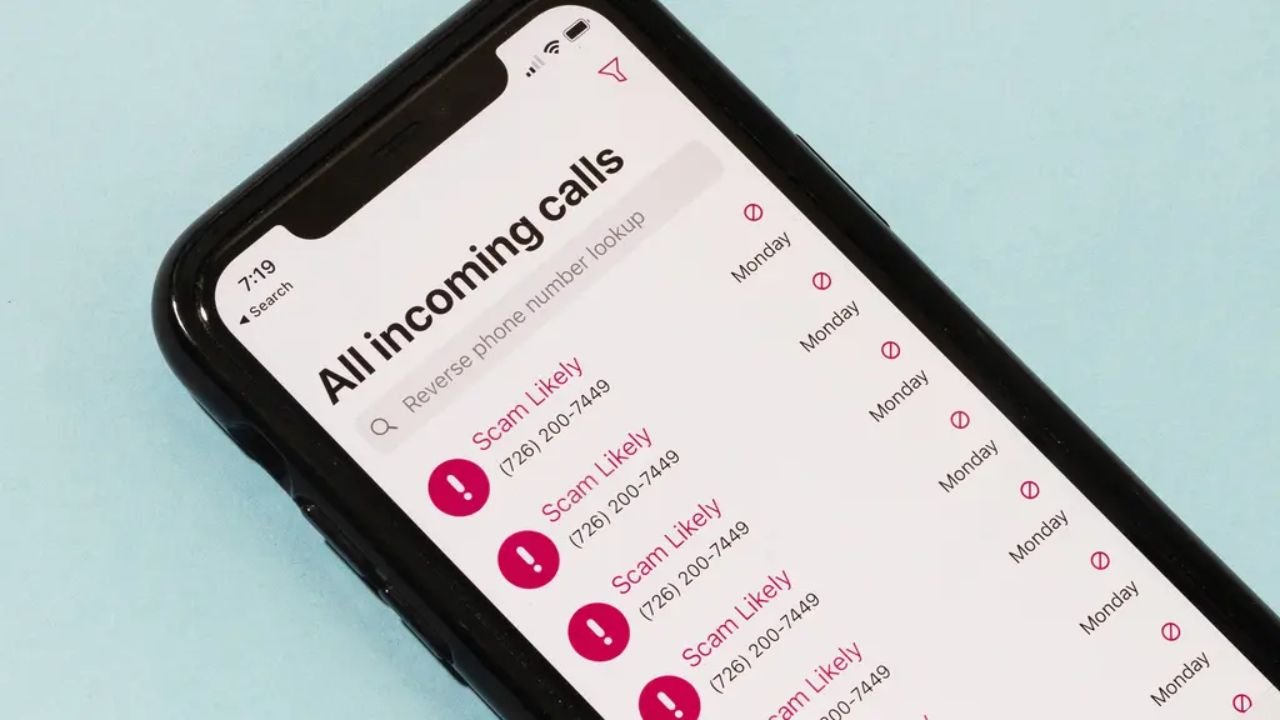
Spam calls and unwanted text messages have become a major frustration for millions of Americans. Whether it’s fake prize offers, robocalls pretending to be the IRS, or messages claiming you won a gift card, these scams have grown rapidly across the United States. According to U.S. telecom experts, spam calls remain one of the most common forms of consumer irritation and fraud attempts. While eliminating them completely is difficult, there are several effective steps Americans can take to reduce them and protect their personal information.
Why Spam Calls and Texts Are Increasing in the U.S.
Spam activity is rising due to several factors. Scammers now use advanced technology that allows them to spoof numbers, making calls look local or legitimate. Many fraud networks operate internationally and take advantage of low-cost calling systems. Americans also receive more spam because large databases of phone numbers are available online, often obtained through leaks, subscriptions, or exposed registrations. Unless consumers take proactive steps, these calls and messages will continue.
Use Your Carrier’s Built-In Call Blocking Tools
U.S. phone carriers such as Verizon, AT&T, T-Mobile, and others offer free tools that automatically filter suspicious calls. These systems rely on nationwide databases and fraud detection algorithms.
Examples of carrier tools:
- Verizon Call Filter
- AT&T ActiveArmor
- T-Mobile Scam Shield
These tools label calls as “Spam Risk,” “Potential Scam,” or “Unknown Caller,” helping people avoid answering dangerous or unwanted calls. Many carriers also offer premium versions with stronger blocking features.
Enable Call Blocking and Silence Unknown Numbers
Both iPhone and Android devices include built-in call filtering options. When turned on, they automatically block or silence calls from unknown or suspicious numbers.
iPhone Users Can Enable:
- Silence Unknown Callers
This feature sends all unknown numbers directly to voicemail.
Android Users Can Enable:
- Block Unknown Numbers
- Block Spam and Scam Calls
Telecom experts say this is one of the simplest ways to reduce interruptions.
Register Your Number on the National Do Not Call Registry
The Federal Trade Commission (FTC) provides the National Do Not Call Registry, which helps reduce legitimate telemarketing calls. While it cannot stop scammers, it does legally prevent real businesses from calling you without permission.
You can register for free in less than a minute.
Once added, telemarketers must stop calling your number. If they continue, you can report them to the FTC for investigation.
Never Respond to Suspicious Text Messages
Many Americans unknowingly encourage more spam by replying “STOP,” “REMOVE,” or clicking links in unwanted texts. Scammers use these responses to confirm that your number is active.
Experts recommend:
- Never clicking suspicious links
- Not responding to unknown numbers
- Deleting such messages immediately
If a message looks like it’s from your bank, delivery company, or government agency, always check the official website or app instead of trusting the text.
Use Third-Party Spam Blocking Apps
Several trusted apps offer advanced filtering, caller identification, and fraud detection features. These tools use massive global spam databases and AI to stop scam calls before they reach you.
Popular options include:
- Hiya
- Truecaller
- RoboKiller
These apps help identify suspicious callers, block known spam numbers, and allow users to report new threats.
Do Not Share Your Phone Number Unnecessarily
One of the biggest reasons Americans receive constant spam is that their phone numbers are widely shared online.
Avoid entering your number:
- On sweepstakes sites
- In online surveys
- On social media profiles
- In unsecured apps or forms
Whenever possible, choose the option to continue with email instead of phone number.
Report Spam Calls and Texts to Government Agencies
Reporting helps U.S. authorities track scam trends and shut down fraud operations.
You can report spam to:
- FTC (Federal Trade Commission)
- FCC (Federal Communications Commission)
- Your carrier’s spam reporting number (like forwarding texts to 7726)
These agencies investigate patterns and take legal action against major offenders.
Use Voicemail Screening Features
Many Americans now use voicemail screening as an added layer of protection. Some devices, such as Google Pixel phones, have Call Screen, which answers unknown calls with an automated assistant and transcribes what the caller says. This prevents direct interaction with scammers and helps identify whether a call is safe.
Stay Updated on New Scam Trends
Scam tactics change quickly. Fraudsters frequently shift to new messages or more convincing approaches. U.S. experts recommend staying informed through local news alerts, carrier announcements, and FTC updates. Being aware of new scam strategies helps you recognize and avoid them faster.
Final Thoughts
Stopping spam calls and texts entirely may not be possible, but reducing them significantly is within reach. By using carrier tools, activating built-in phone settings, avoiding suspicious messages, and reporting fraud, Americans can protect themselves from constant interruptions and financial risks. The more proactive you are, the less impact scammers can have on your daily life.
