

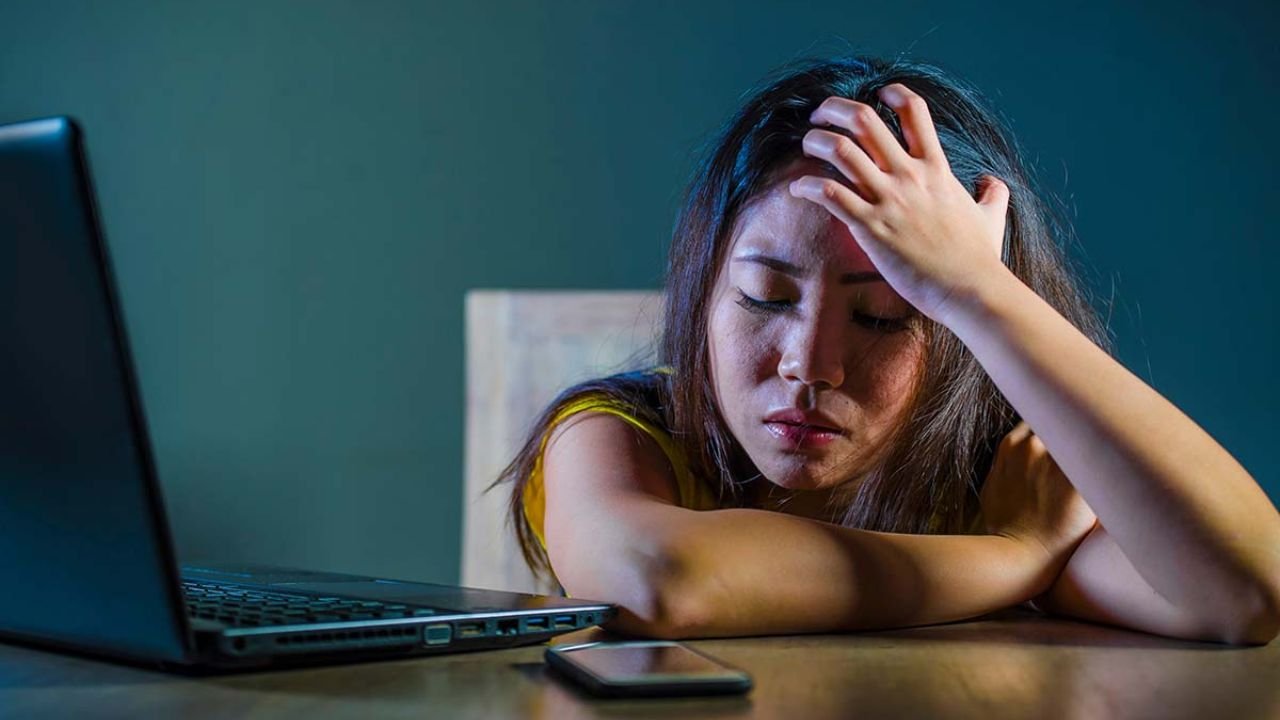
Social media has become a major part of everyday life for American teens. Platforms like Instagram, TikTok, Snapchat, and YouTube are used for communication, entertainment, self-expression, and staying connected with friends. According to U.S. studies, most teens spend several hours a day online, and many feel pressure to stay constantly active. While social media offers creativity and connection, it also creates stress that affects mental health, confidence, and behavior.
Why Teens Feel Pressure on Social Media
Many American teenagers admit they feel pressure to look perfect, act perfect, and live up to the expectations created online. Social media often highlights the best moments of people’s lives. Teens compare themselves to these idealized posts, which can lead to unrealistic expectations.
Comparison Culture
Teens may compare:
- Their appearance to edited photos
- Their lifestyle to influencers
- Their achievements to peers
- Their popularity based on likes and followers
This comparison can lead to self-doubt and insecurity, especially during a time when teens are still developing their identity.
Fear of Missing Out (FOMO)
Social media constantly shows events, parties, and activities happening in real time. When teens see friends hanging out without them, it can lead to feelings of loneliness or exclusion. This fear pushes them to spend more time online, even when it affects sleep or schoolwork.
The Impact on Mental Health
U.S. psychologists say the mental health effects are real and growing. Social media stress can influence how teens think, feel, and behave.
Anxiety and Overthinking
Many teens worry about:
- How others view their posts
- Whether they will receive enough likes
- What people think of their appearance
- Being judged for their opinions
This leads to performance anxiety, even in simple activities like posting a photo or leaving a comment.
Depression and Low Self-Esteem
Seeing constant images of “perfect” bodies, luxury lifestyles, and success stories can make teens feel they are not good enough. This lowers confidence and increases sadness over time. Studies in the U.S. have shown a connection between heavy social media use and higher rates of teen depression.
Cyberbullying
Online bullying remains a major issue.
Teens may face:
- Negative comments
- Insults
- Rumors
- Harassment
- Unwanted messages
Cyberbullying can happen anytime, making it harder for victims to escape the stress.
Sleep Disruption and Academic Stress
Another major concern is how social media affects sleep. Teens often stay up late scrolling, replying to messages, or posting content. Many keep their phones next to them at night, checking notifications immediately.
Lack of sleep can cause:
- Poor concentration
- Mood swings
- Low energy
- Declining academic performance
Teachers and parents across the U.S. report that students struggle to focus in school because they were active online until early morning.
The Need for Validation
For many teens, likes, comments, and followers feel like digital approval. This creates a cycle where their mood depends on online reactions. When a post does not perform well, teens may feel rejected or less valued. U.S. mental health experts say this constant need for validation affects self-worth and emotional stability.
Body Image Issues Among U.S. Teens
Social media filters, editing apps, and influencer culture often show unrealistic beauty standards. Teenagers may feel the pressure to look a certain way, leading to:
- Body dissatisfaction
- Unhealthy eating habits
- Over-exercising
- Negative thoughts about appearance
This affects both boys and girls, though studies show girls report higher levels of body image stress.
How Families and Teens Can Reduce Social Media Stress
U.S. experts recommend practical steps to help teens manage stress and use social media in a healthier way.
Setting Screen-Time Limits
Creating daily app limits or “phone-free” hours can help teens disconnect and focus on school, hobbies, or rest.
Encouraging Offline Activities
Sports, art, reading, volunteering, and real-life social interactions can reduce dependence on online validation.
Teaching Critical Thinking
Teens should learn to recognize:
- Edited photos
- Sponsored posts
- Fake content
- Influencer marketing tactics
Understanding the reality behind social media helps reduce comparison pressure.
Open Conversations
Parents and guardians can encourage open communication about stress, feelings, and online experiences. Teens who feel supported are more likely to share problems before they grow worse.
Following Positive Accounts
Experts suggest teens follow accounts that inspire learning, creativity, and emotional well-being rather than unrealistic or negative content.
Final Thoughts
Social media is not entirely harmful—many teens use it for learning, inspiration, and connection. But the pressure to stay perfect, constant comparison, cyberbullying, and the search for validation can create serious stress. By staying aware, setting healthy limits, and focusing on real-life experiences, American teens can enjoy social media without letting it control their mental and emotional health.
