

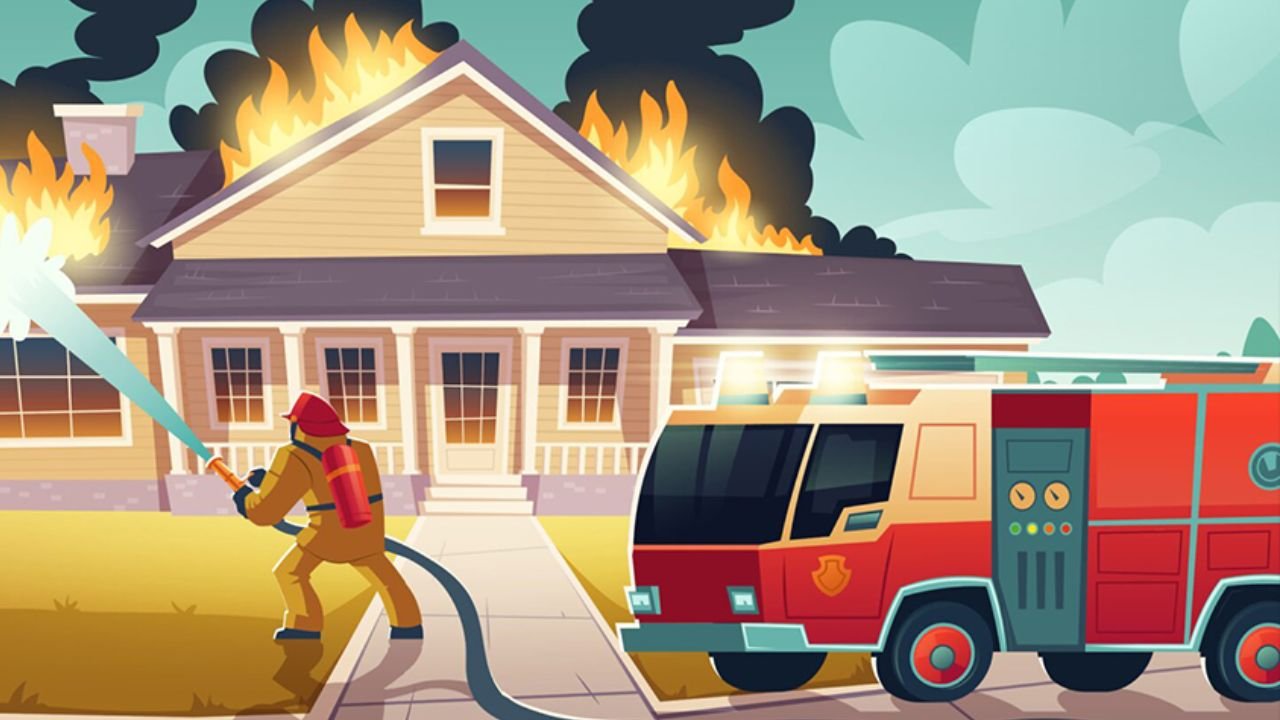
Why Home Safety Matters for Every American Household
Home fires remain one of the most common emergencies in the United States. According to U.S. fire officials, thousands of incidents happen every year due to simple mistakes such as unattended cooking, faulty wiring, or improper use of heating equipment. Most of these accidents are preventable with basic safety practices. U.S. fire departments emphasize that prevention and awareness are the strongest tools for protecting your home and family.
Install and Maintain Smoke Alarms
Smoke alarms are the first and most important line of defense. Fire departments across the U.S. recommend having smoke alarms installed on every level of your home, especially near bedrooms and hallways.
Experts say you should:
- Test alarms once a month
- Replace batteries every six months
- Replace the entire alarm every 10 years
Most fatal home fires occur at night, and working alarms can double the chances of escaping safely.
Create a Family Fire Escape Plan
U.S. fire departments encourage families to practice a fire escape plan at least twice a year. A simple plan includes:
- Identifying two exits from every room
- Keeping pathways clear
- Establishing a meeting point outside the home
- Teaching children how to open windows safely
Practicing ahead of time helps everyone react quickly and avoid confusion during a real emergency.
Be Extremely Careful With Cooking
Cooking fires are the number one cause of home fires in the United States. Firefighters warn that most incidents happen when someone leaves the kitchen, even for a few minutes.
To reduce risk:
- Stay in the kitchen while cooking
- Keep flammable items away from the stove
- Turn pot handles inward
- Never leave oil heating unattended
If a small grease fire starts, cover the pan with a lid and turn off the heat. Never use water on a grease fire.
Use Heaters and Fireplaces Safely
During colder months, heating systems and space heaters become a major fire hazard. Fire departments recommend:
- Keeping heaters at least three feet away from anything that can burn
- Never using extension cords for heaters
- Turning heaters off before sleeping or leaving the room
- Getting your furnace and chimney inspected yearly
Proper maintenance helps prevent dangerous buildup and electrical overloads.
Check Electrical Wiring and Outlets
Faulty wiring is another leading cause of U.S. house fires. If your home has older wiring or overloaded outlets, it can create serious risk. Fire experts advise:
- Avoid plugging too many devices into one outlet
- Don’t use damaged cords or loose plugs
- Replace outlets that spark or feel hot
- Hire a certified electrician for inspections
These simple steps help prevent electrical fires that can spread quickly.
Store Flammable Materials Safely
Household items like gasoline, cleaning chemicals, and paints can ignite if not stored properly. U.S. fire departments recommend:
- Keeping flammable liquids in tight, approved containers
- Storing them in cool, dry areas
- Keeping them far from heaters, stoves, or water heaters
Many fire accidents start in garages because flammable liquids were left too close to a heat source.
Practice Candle and Open Flame Safety
Candles, matches, and lighters can be dangerous if used without caution. Fire officials suggest:
- Keeping candles away from curtains and fabrics
- Never leaving candles burning in an empty room
- Using flameless LED candles whenever possible
- Storing lighters and matches out of children’s reach
Even a small flame can spread rapidly if it comes in contact with flammable material.
Clean Dryer Vents Regularly
Dryer-related fires are more common than people realize. Built-up lint is highly flammable, and heat from dryers can ignite it easily. Fire departments recommend:
- Cleaning the lint filter after every load
- Checking vents and ducts for buildup
- Having a professional clean the ducts annually
Good maintenance helps prevent overheating and fire hazards.
Keep Fire Extinguishers in Key Areas
Every home should have a fire extinguisher readily accessible. Recommended locations include:
- Kitchen
- Garage
- Basement
- Near exit doors
Make sure everyone in the home knows how to use it. U.S. experts suggest remembering the PASS rule: Pull, Aim, Squeeze, Sweep.
Teach Children Basic Fire Safety
Children should learn how to react during fire emergencies. Firefighters encourage teaching kids:
- Never to hide during a fire
- How to crawl low under smoke
- When to call 911
- What a smoke alarm sounds like
Awareness can make a critical difference in an emergency.
Final Thoughts
Home fires can occur unexpectedly, but most can be prevented with awareness and simple precautions. Recommendations from U.S. fire departments—such as maintaining smoke alarms, using heaters safely, practicing escape plans, and avoiding cooking distractions—are practical steps that protect families and reduce risks. Following these expert tips helps create a safer home environment and ensures you are prepared for the unexpected.
