

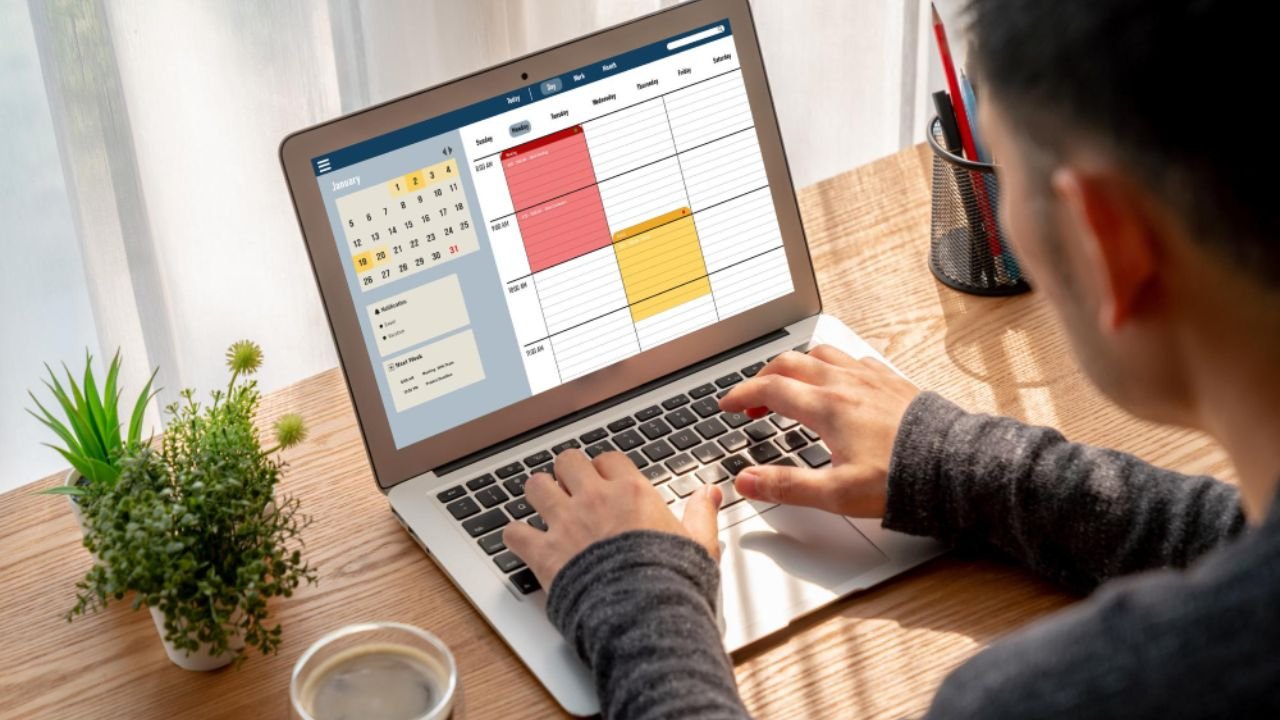
In the United States, time has become one of the most valuable resources. Busy work schedules, household responsibilities, and constant digital distractions make it difficult for people to manage their day efficiently. To keep up with daily demands, many Americans now rely on simple, effective apps that help them save time, stay organized, and reduce stress. These tools are designed to make everyday tasks easier, whether it’s planning meals, managing finances, or staying on top of appointments.
Below are the most popular types of apps Americans use every day to streamline routines and improve productivity.
Task Management Apps
Task management apps are extremely popular across the U.S., especially among working professionals and students. These apps allow users to create to-do lists, set reminders, break down large tasks, and organize their day in a structured way. Instead of keeping everything in their mind, people can rely on apps to stay focused and plan ahead.
Apps like Todoist, Microsoft To Do, and Google Tasks are widely used because they are easy to learn and sync across devices. They help reduce mental clutter and ensure that important tasks are not forgotten.
Calendar and Scheduling Apps
Scheduling apps have become essential for Americans who juggle work meetings, school events, appointments, and personal commitments. Digital calendars make it easy to schedule tasks, set time blocks, and receive timely notifications.
Google Calendar and Apple Calendar are the two most used scheduling apps in the U.S. Users appreciate how these apps automatically sync across devices and integrate with other tools like email and video conferencing platforms. Many people also use shared calendars to coordinate family schedules.
Grocery and Meal Planning Apps
Planning meals and buying groceries can take a lot of time each week. To simplify this, many Americans use apps that help them create meal plans, track pantry items, and make shopping lists. Some apps even recommend recipes based on dietary preferences and available ingredients.
Apps like Mealime, Yummly, and AnyList are common choices. They help reduce food waste, save money, and ensure that shopping trips are faster and more efficient.
Finance and Budgeting Apps
Managing money is another area where Americans look for time-saving solutions. Instead of tracking expenses manually, budgeting apps categorize transactions automatically and provide real-time alerts.
Apps such as Mint, YNAB (You Need a Budget), and Simplifi are widely used for budgeting and financial planning. These apps help users stay on top of bills, avoid late payments, set savings goals, and get a clear picture of their financial health.
Navigation and Traffic Apps
With long commutes being common across the United States, millions of people rely on navigation apps to save time on the road. These apps provide real-time traffic updates, accident alerts, alternative routes, and estimated arrival times.
Google Maps and Waze are the most trusted options. They help drivers avoid heavy traffic, find the shortest route, and plan their travel more efficiently. Even public transit users rely on these apps to check bus or train schedules.
Health and Fitness Apps
Staying healthy can be challenging with a busy routine. That is why many Americans use health apps to track steps, plan workouts, monitor sleep, and build healthy habits. Instead of spending time going to fitness classes or logging activities manually, people can rely on their phones to guide their routines.
Apps like MyFitnessPal, Fitbit, and Apple Health simplify daily wellness and encourage consistent progress.
Email and Communication Apps
Email remains a major part of daily life in the United States, especially for professionals. To save time, many use apps that organize inboxes, filter spam, and highlight important messages.
Apps like Gmail, Outlook, and Spark are popular for their smart sorting features and productivity tools. Many Americans also depend on communication apps like Slack and Microsoft Teams to manage work conversations without wasting time.
Note-Taking Apps
Quick note-taking is another task where Americans prefer using mobile apps. These apps allow users to save ideas, create lists, store documents, and even scan handwritten notes.
Apps like Google Keep, Evernote, and Apple Notes are simple yet powerful. They keep everything organized in one place, reducing the time spent searching for information later.
Smart Home Apps
With the rise of smart home devices in the U.S., many households now use apps to control their lights, security cameras, thermostats, and appliances. These apps save time by automating routines such as locking doors, adjusting room temperature, or turning off lights before bed.
Popular choices include Google Home, Amazon Alexa, and SmartThings.
Final Thoughts
Whether it’s organizing daily tasks, planning meals, navigating traffic, or managing money, Americans are increasingly turning to mobile apps to simplify their routines. These tools help save time and reduce stress by automating repetitive tasks and keeping important information accessible at all times. As technology continues to evolve, time-saving apps will keep becoming even more efficient, allowing people to focus more on the things that truly matter.
