

Car maintenance is an essential part of responsible driving in the United States. Whether you drive daily for work, travel long distances, or simply use your vehicle for errands, keeping your car in good condition can prevent breakdowns, improve safety, and save you money in the long run. Many drivers overlook simple maintenance tasks, but experts say that regular care can extend the life of your vehicle and help avoid costly repairs. Here are important car maintenance tips every American driver should know.
Why Regular Car Maintenance Matters
Regular maintenance protects your vehicle from unexpected failures and ensures it performs efficiently on the road. Many issues such as engine overheating, brake failure, and tire blowouts can be avoided with simple routine checks. In the U.S., where weather conditions vary from extreme heat to freezing winters, maintaining your car becomes even more important. Proper care also helps improve fuel economy, which can reduce your overall driving costs.
Check Your Engine Oil Frequently
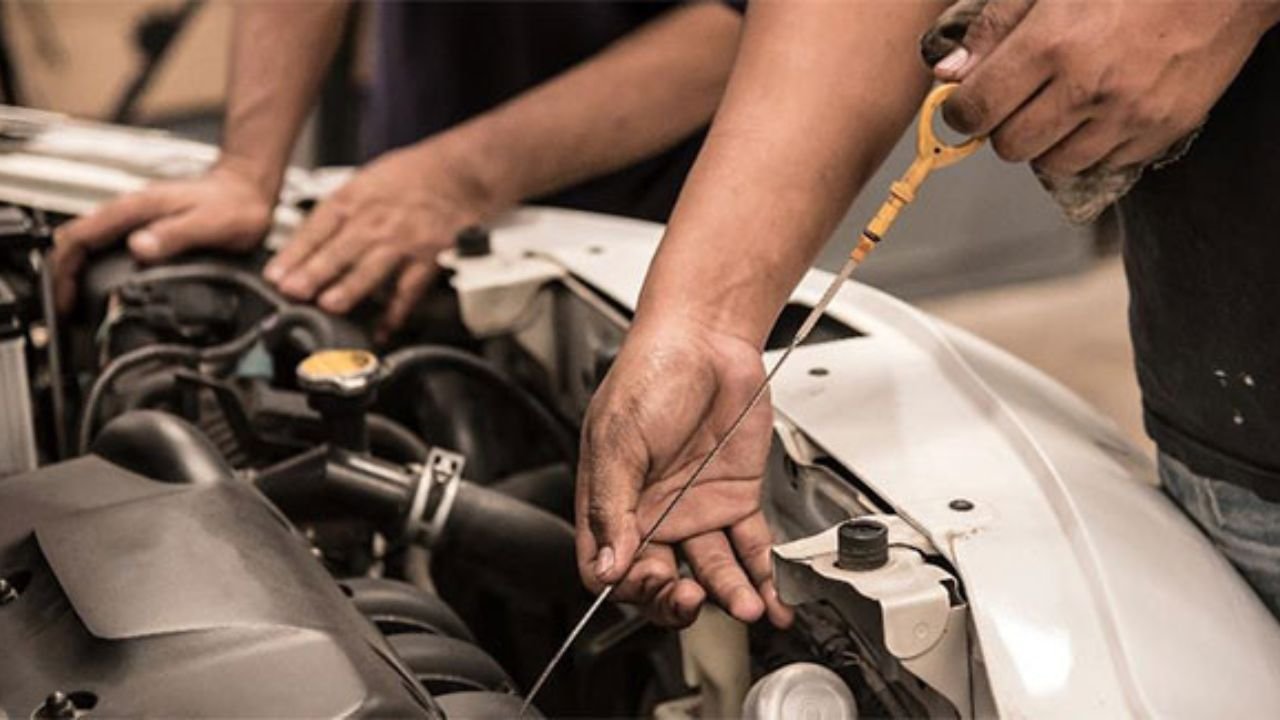
Engine oil keeps all the moving parts inside your engine lubricated. Without clean oil, your engine can wear out faster or even fail completely. Experts recommend checking your oil level at least once a month. If the oil looks dark or dirty, it’s time for a change. Most American drivers should change their oil every 5,000 to 7,500 miles, depending on the vehicle and driving conditions.
Monitor Tire Pressure and Tread Depth
Your tires play a major role in your car’s safety. Low tire pressure can reduce fuel efficiency and increase the risk of a blowout. High pressure can affect handling and braking. It’s recommended to check tire pressure once a month and before long trips. The correct pressure is listed on the driver-side door panel. Also, make sure your tire tread is deep enough to grip the road properly. Bald tires can be dangerous, especially in rain or snow.
Keep an Eye on Your Brakes
Brakes are one of the most important safety features of any vehicle. If you notice squeaking sounds, vibrations, or a longer stopping distance, your brakes may need attention. American mechanics suggest checking brake pads and rotors at least once a year. Delaying brake repairs can increase the risk of accidents and lead to higher repair costs later.
Replace Air Filters on Time
Cars have two main filters: the engine air filter and the cabin air filter. A dirty engine air filter can reduce your fuel efficiency and slow down your engine. A clogged cabin filter can affect the air quality inside your car. Most U.S. auto experts recommend replacing these filters every 12,000–15,000 miles, or sooner if you drive in dusty areas.
Check Your Battery Health
A weak or old battery can leave you stranded. Batteries typically last three to five years in the United States, depending on climate and usage. Hot summers and cold winters can reduce battery life. You can ask a mechanic to test your battery during routine service visits. If you notice slow engine starting or dim headlights, your battery might be weakening.
Inspect Belts and Hoses
Belts and hoses in your engine help control important functions like cooling, charging, and air conditioning. Over time, they can crack, wear out, or leak. If a belt breaks while you’re driving, it can severely damage your engine. Checking them during oil changes or routine service is a smart habit every driver should follow.
Maintain Your Cooling System
Your car’s cooling system prevents the engine from overheating. This system includes coolant, a radiator, hoses, and other parts. If your coolant level is low or if the coolant hasn’t been changed in several years, your engine may overheat. Mechanics in the U.S. recommend flushing the cooling system every 2–3 years to keep it functioning well.
Don’t Ignore Unusual Noises or Warning Lights
Modern cars come with sensors that alert you when something is wrong. If your check engine light, battery warning light, or oil light turns on, do not ignore it. These signals can indicate small problems that may turn into expensive repairs if left unattended. Strange noises like knocking, squealing, or grinding should also be checked as soon as possible.
Wash and Protect Your Car Regularly
Keeping your car clean isn’t just about appearance. Dirt, salt, and road chemicals—especially in states with snowy winters—can damage your car’s paint and cause rust. Washing your car regularly and applying wax can protect the exterior. Cleaning the interior can also help maintain the value of your car if you decide to sell it.
Follow Your Vehicle’s Maintenance Schedule
Every vehicle comes with a manufacturer-recommended maintenance schedule found in the owner’s manual. This guide tells you exactly when to service different parts of your car. Following this schedule ensures your vehicle stays reliable and performs at its best.
Final Thoughts
Caring for your car doesn’t have to be complicated. Simple habits like checking your oil, monitoring tire pressure, listening for unusual sounds, and keeping up with scheduled maintenance can help avoid major issues. By following these expert-recommended tips, American drivers can enjoy a safer, smoother, and more dependable driving experience. Regular maintenance not only protects your vehicle but also gives you peace of mind every time you hit the road.
